
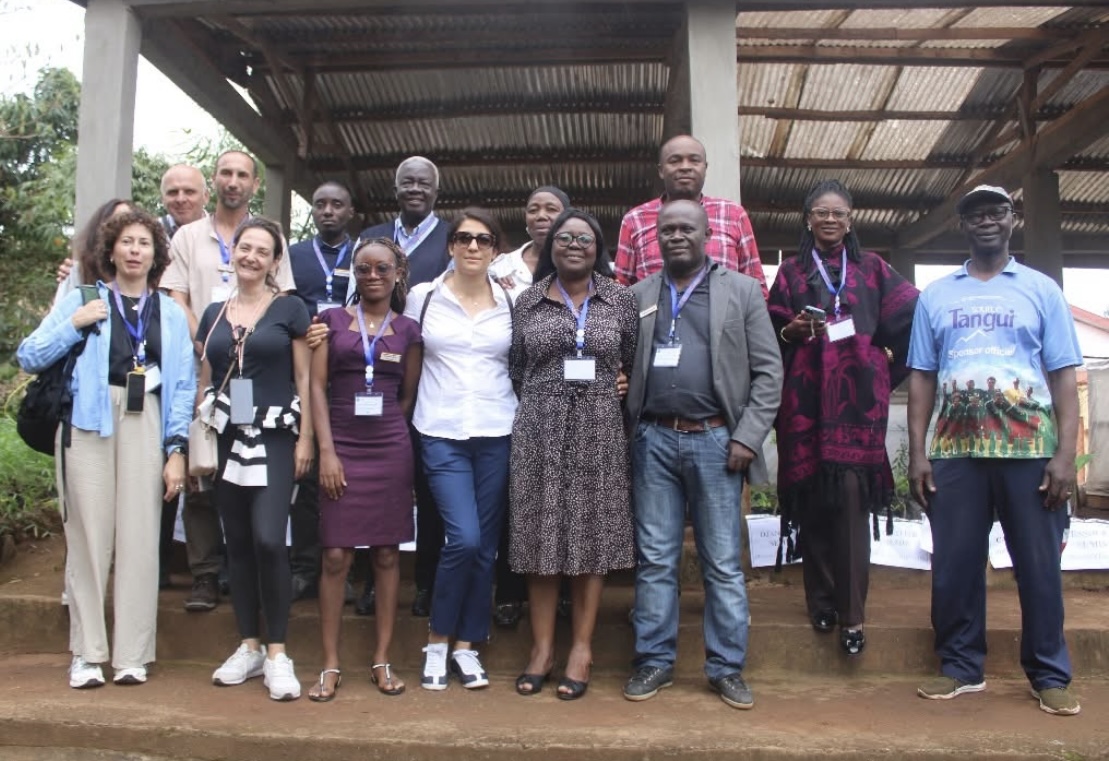
From 22nd to 26th September 2025, Victoria Adu-Amoasi represented the African Centre for
Technical Training (ACTT) at the Higher Institute of Environmental Sciences (HIES) in Yaoundé,
Cameroon. The visit formed part of an international research study on our EU-Funded project “Forest Restoration
through VET Capacity Building”, bringing together partners from Greece, Italy, Slovakia, Uganda,
Nigeria, Somalia, Cameroon, and Ghana to strengthen sustainable forestry through vocational education.
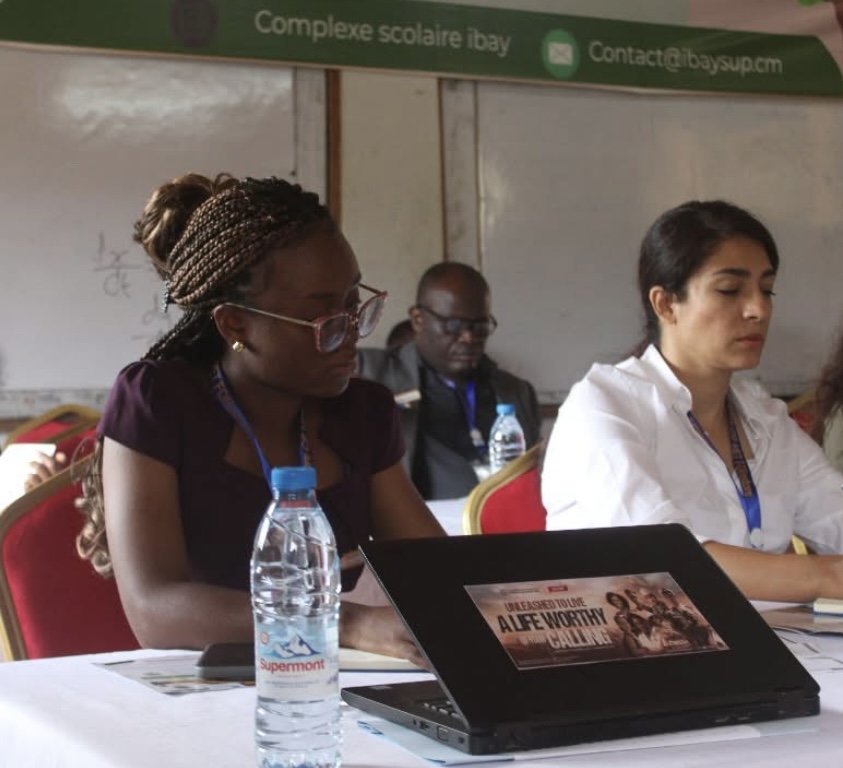
Purpose of the Visit
The trip aimed to advance the project’s objectives by identifying existing forestry curricula,
assessing skill gaps in sustainable forest management, and exploring how vocational training can
support reforestation. It offered valuable opportunities to connect with partners, share research
findings, and experience how technical education and community participation can drive
sustainable impact.
Key Activities
The five-day programme combined technical meetings, field visits, and discussions that
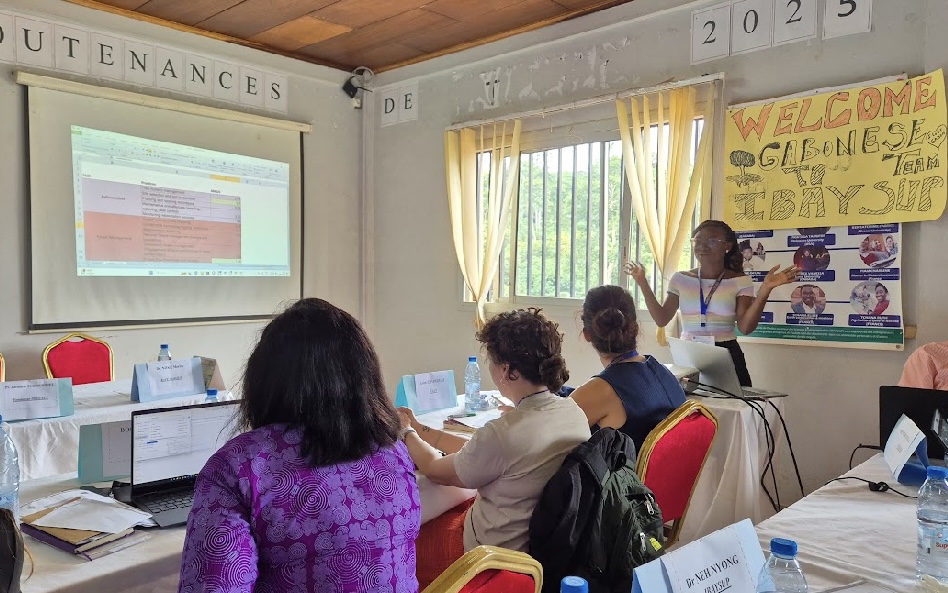
deepened understanding of forest restoration practices. Each partner country presented
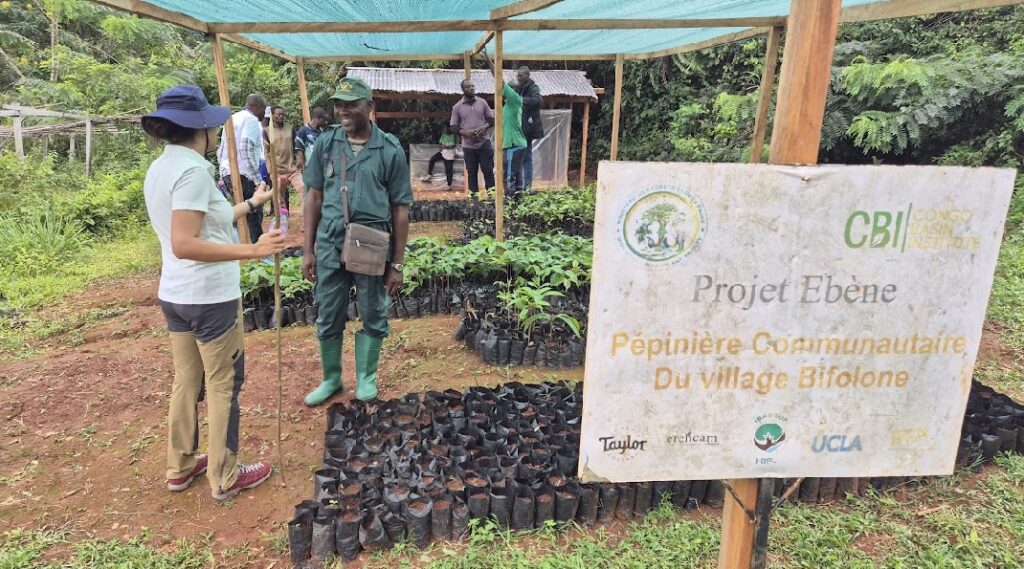
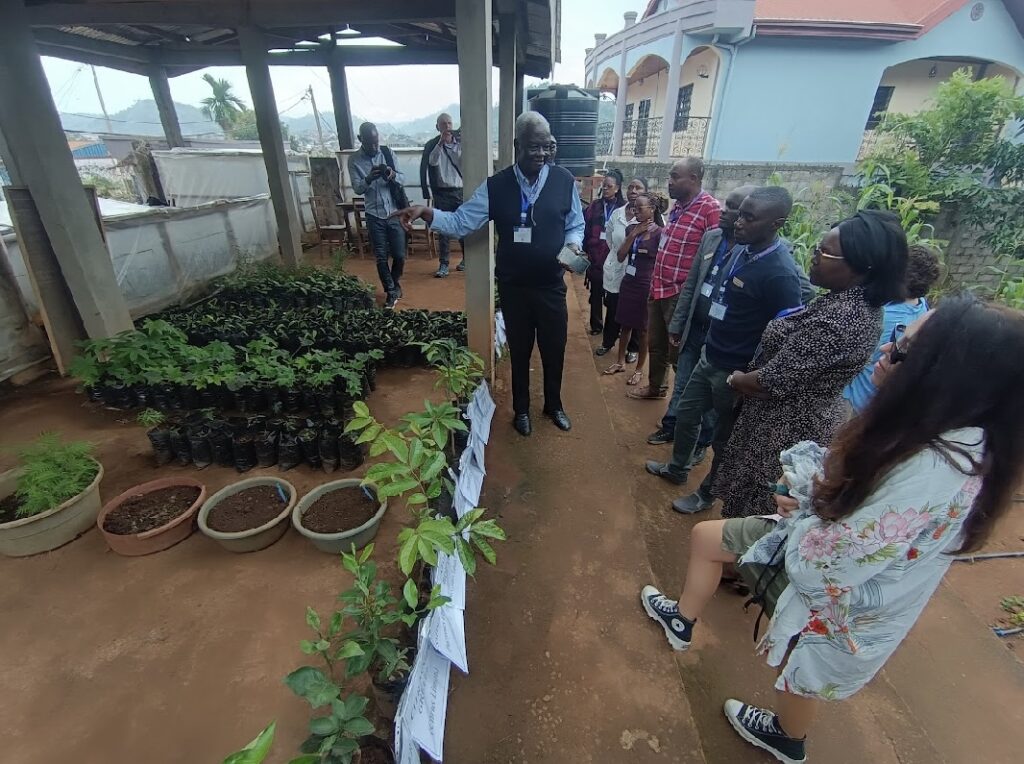
research findings on vocational education in forestry. A standout session featured The Ebony
Project, an initiative that integrates ebony tree planting with indigenous fruit species, showing
how reforestation can also sustain local livelihoods.
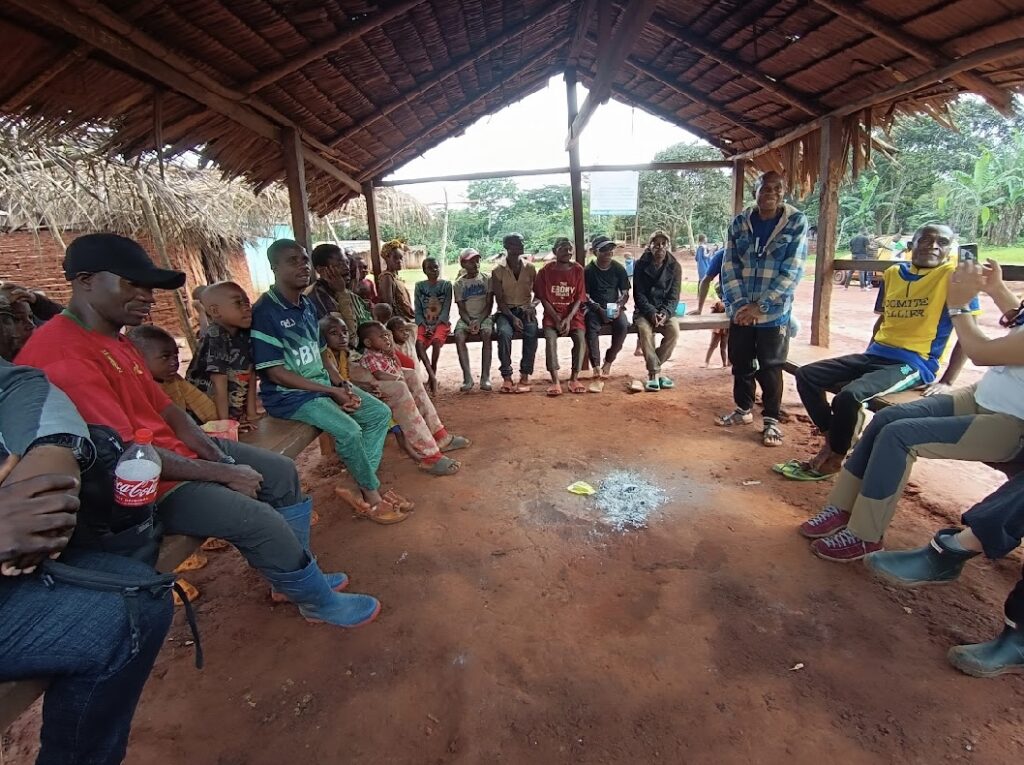
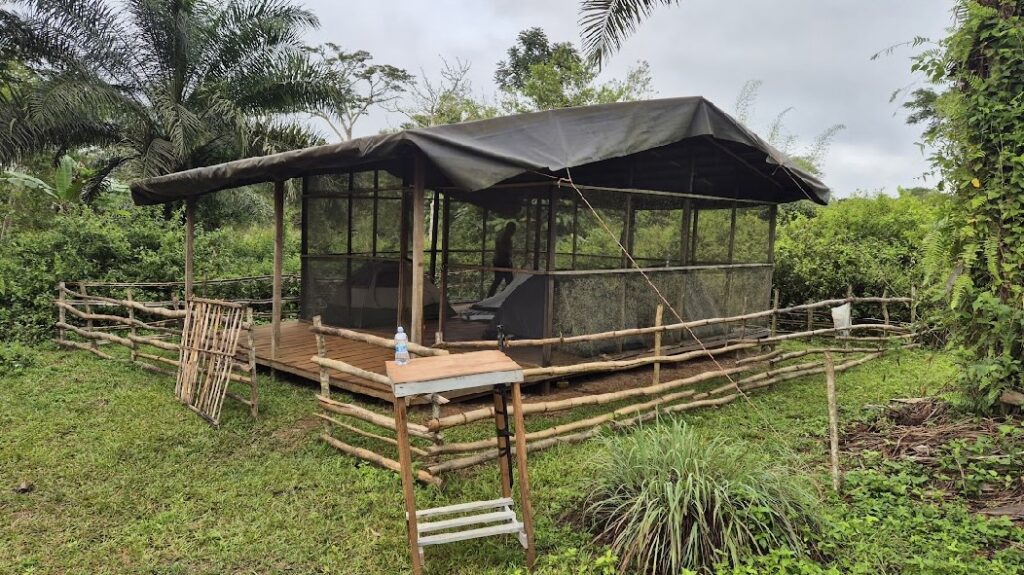
Field visits to the Dja Forest and Somalomo Village allowed participants to see ongoing
restoration projects and engage with farmers involved in The Ebony Project. The warm welcome
from the Somalomo community, complete with traditional music and dance, highlighted how
local engagement remains at the heart of successful environmental initiatives.
Collaboration and Learning
The meetings facilitated meaningful exchanges among international partners, fostering new
connections and shared learning. Focus group discussions with learners, trainers, and
stakeholders provided insights into existing curricula, local challenges, and opportunities to
strengthen VET systems in forestry and environmental management.
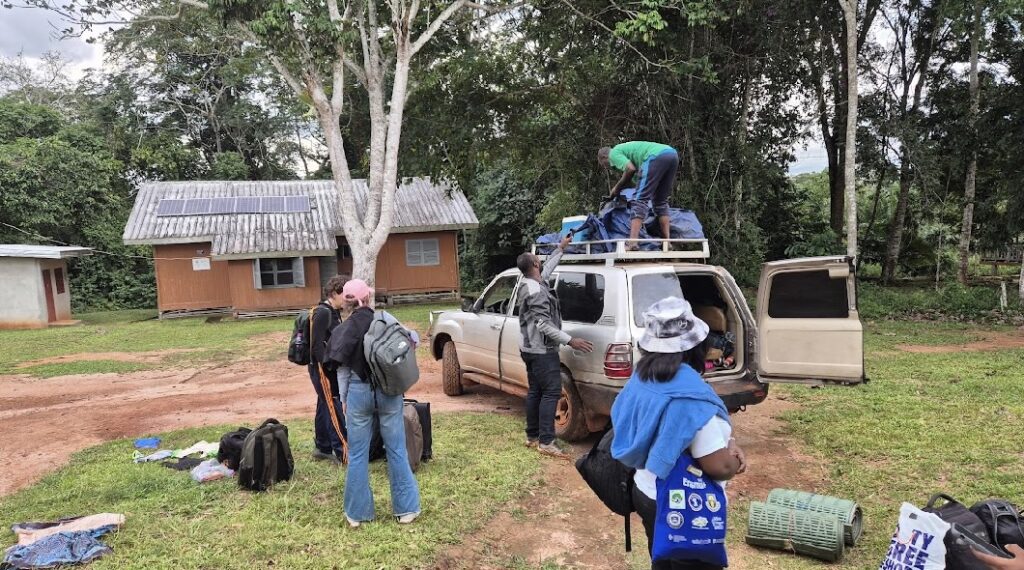
While the journey to Dja Forest was delayed by poor road conditions and attendance at
discussions was limited due to school vacations, these challenges were met with flexibility. The
team arranged smaller vehicles for travel and scheduled follow-up virtual sessions to ensure
continued participation.
Insights and Impact
Several lessons emerged from the visit:
• Linking reforestation to income generating activities enhances local participation and
sustainability.
• International collaboration broadens perspectives and enriches vocational training design.
• Adaptability is essential when working across diverse environments and countries.
The Cameroon trip strengthened ACTT’s collaboration with partner institutions and deepened
understanding of sustainable forestry training. It also provided tangible examples of successful
public and private partnerships in the reforestation sector.
“Seeing how communities balance forest restoration with livelihood creation was inspiring,”
Victoria reflected. “It reminded me that technical training can do more than build skills; it can
rebuild ecosystems and transform lives.”
Moving Forward
Insights from this visit will guide ACTT’s efforts to develop environmentally focused training
programmes that empower learners and communities. The experience underscored the value of
integrating vocational education into environmental restoration and highlighted how knowledge
exchange across countries drives meaningful progress.
ACTT remains committed to promoting collaboration, innovation, and environmental
stewardship through technical and vocational education.
Stay connected with us as we continue to share updates from our partnerships and research
across Africa!